
Dubai. A symbol of extreme wealth. Prudent fiscal policy & a low crime environment are to thank for driving a competitive business environment that fostered unrivalled prosperity. Using its oil reserves to guide its development has put Dubai and the UAE in a strong position as the world transitions towards renewable sources and away from fossil fuels.
Oil
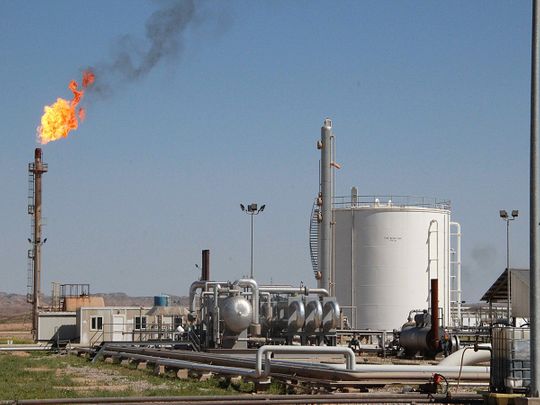
Oil production used to make up for more than 50% of GDP in Dubai; it now contributes less than 1%.
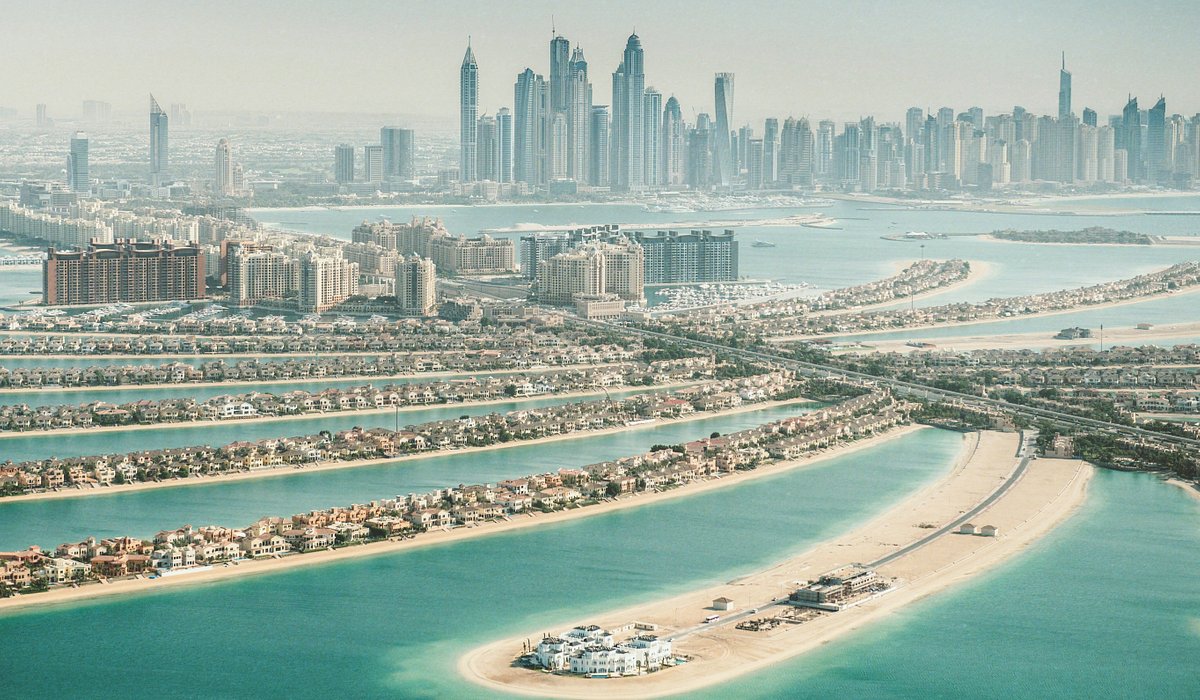
Dubai is now recognised globally as a banking, trade and tourism hub. With this said, in the 1950s, Dubai experienced severe financial challenges and, unlike Abu Dhabi, didn’t have access to vast oil reserves. This changed in 1966 with the discovery of oil enabled the fast growth of Dubai, which had primarily fiscal autonomy from the rest of the UAE. The sales from these oil reserves were reinvested into infrastructure, which sparked a boost in tourism – an industry that now accounts for 20% of its GDP. Infrastructure development revitalised Dubai’s trade industry, taking advantage of its unique location between Europe & Asia, further diversifying Dubai’s income streams.
However, this rapid infrastructure expansion would’ve only occurred with the business investment that drove much of the real estate development that is now associated with the city. In 1985, the first ‘free zone’ in Dubai was established – constituting substantial tax breaks for foreigners and multinational corporations.
Many of these free zone enterprises contribute to 20% of FDI in Dubai, further diversifying their economy as banking, and consultancy industries, amongst many, began to thrive.
Governance
Effective governance is a vital part of Dubai’s economic success. Many countries rife with natural resources have yet to exploit and use these to develop their economic stature, such as Nigeria. Instead, the Saeed Al Maktoum dynasty that has ruled Dubai since the 1950s has employed innovative solutions to foster growth – recognising and pushing for infrastructure development as a critical driver of economic growth.
A low-crime environment through harsh, aggressive policies has undoubtedly helped Dubai’s economic success. Dubai has a zero drugs policy – anyone caught possessing illegal substances will face severe punishments, which can even result in the death penalty above specified amounts. Drinking and drunk behaviour outside designated areas is similarly unacceptable and will result in fines and jail time. All crime law violations come with severe penalties that make up much of Dubai’s tax revenue. These policies, amongst many, have helped inspire business confidence as many Western countries grapple with out-of-control gun and knife crime, thereby driving many businesses to relocate. Dubai doesn’t suffer from this, with the UAE boasting the second-lowest crime rate in the world. By comparison, both the UK & the US rank in the middle compared to countries globally – a result of moral and social decay coupled with lax crime laws.
Fiscal Policy
As aforementioned, Dubai’s fiscal policies have been a critical contributor to their economic success and diversification of oil. Coupled with the free zones, Dubai still applies a 0% income tax to its citizens, with no property taxes either. Until recently, Dubai had no corporate taxes – with a 9% rate effective from June 2023, applied on income above AED 375,000. Such a system doesn’t punish success, allowing individuals to keep their hard-earned money. Dubai partly raises its tax revenue from a 5% flat VAT rate on most products, with a 0% rate for exempt goods and services. Most of Dubai’s tax revenues come from fees and fines, comprising over 50% of tax revenue for Dubai since 2010. Levying taxes and penalties on unproductive behaviours, such as those that violate the crime mentioned above, is far better than taxing productive behaviours associated with income and corporate taxes. This tax structure of heavily penalising law breakers discourages unproductive behaviours related to breaking the law, with low taxes on income and corporate taxes further encouraging productive activities.
Ultimately, Dubai serves as a model exemplar for economic development. By taking advantage of its vast oil reserves, Dubai’s infrastructure development and business growth have fuelled its prosperity – leading to Dubai’s oil reliance becoming a relic of the past.

 Free Marketeer