
An efficient tax system is a necessity for a thriving economy. Excessive bureaucracy not only limits economic growth through an inefficient allocation of resources, but tax revenues also suffer from more considerable tax avoidance. Taxes also provide a platform for long-run economic development through an incentive structure. Singapore achieves the perfect balance. From one of the poorest to the highest income per capita, its effective tax structure has created unbridled prosperity. As a pose of the stagnating British economy, Singapore’s economic growth looks continue to grow.
Income

Incentives
Contrary to Western systems, Singapore doesn’t choke the working population through cumbersome income taxes. Singapore’s marginal tax rate on income above 120,000 SGD (£74,000 equivalent) ranges from 15-22%. By comparison, income above £74,000 in the UK is taxed at an extortionate 40-45%.
Politicians recognise the benefit of sugar taxes in reducing ill-food consumption through higher prices, yet, these same politicians tax income at incredulous levels. Lower taxes incentivise entrepreneurship and hard work.
Imperial studies support this conclusion. In the 1970s, when the US had higher marginal tax rates than Europe, Americans worked less than Europeans; by the 1990s, the opposite held. Americans worked harder as lower marginal tax rates encouraged hard work, as the government took a smaller chunk of a hard-earned pie.
Business
A tax system that rewards entrepreneurship has been essential for Singapore’s growth. Through tax incentives and grants, Singapore rewards enterprising companies; a zero capital gains tax further promotes business activity. If an individual sells his company for $50 million in Singapore, not a single penny goes to the government. Fostering business development, corporations are incentivise to establish their operations in Singapore – promoting private sector growth.
A headline corporate tax rate of 17% is highly competitive; coupled with numerous capital deductions to encourage investment, Singapore has an economic system that promotes growth. By contrast, the UK ranks 36th out of 38 for how heavily capital investments are taxed – unsurprisingly, productivity in the UK has virtually flatlined since 2010.
Property
An unproductive asset, the OECD ranked property taxes as the least harmful for growth – compared with income, indirect and corporate taxes.
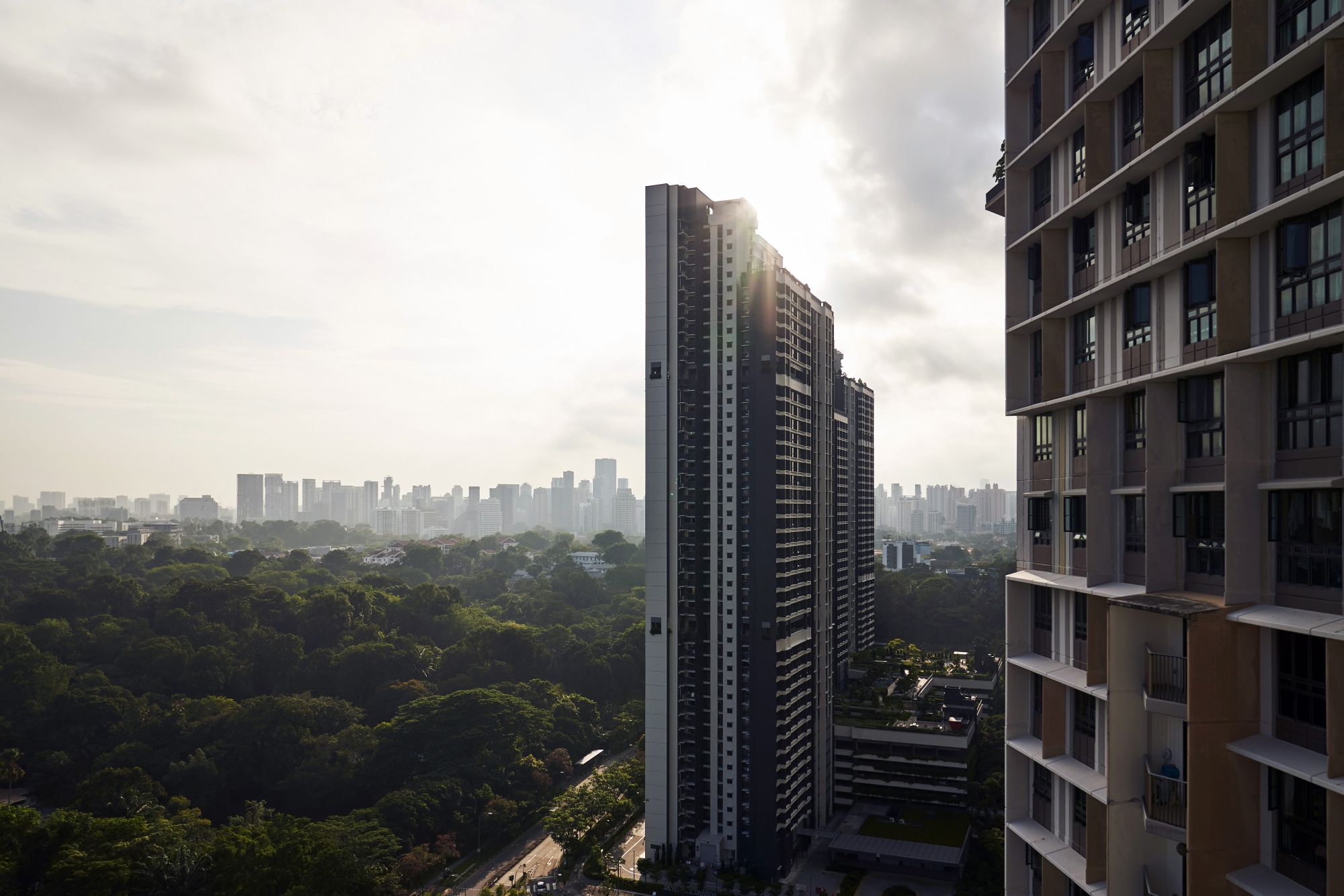
Loose housing regulations have ensured Singaporean house prices remain stable. Between 2012 and 2019, the average private residential property saw a fall in its average price before rising back to 2012 levels by 2019. By comparison, the average house price rose 35% in the UK. Excessive bureaucracy and red tape restrict property development, subjugating the British population to renting. While homeownership stands over 80% in Singapore, in the UK, it has fallen from 65% to under 57% over the past decade.
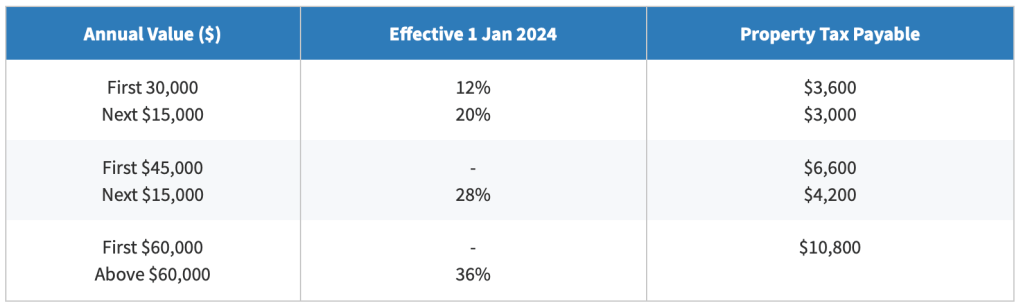
Effective property taxation ensures that tax avoidance is limited while not hindering economic growth. As property is unproductive, with a relatively inelastic elasticity of supply, high property taxes are largely absorbed by property developers as a pose to consumers. Taxing property doesn’t disincentivise productive activity whilst producing tax revenue for the Singaporean government to fund essential services. Singapore’s progressive property tax, increasing according to land value, promotes this, reducing tax avoidance .
Welfare
In Singapore, individuals are required to take care of retirement, healthcare, housing and even education. This is achieved through forced saving; as of 2022, employees under 50 must set aside 20% of their wages, with employers contributing an additional 16%. These savings are further divided into other specific pots, such as healthcare and housing, growing over time to ensure Singaporeans can meet their essentials. Compared to the unfair welfare states of Europe, Singapore’s alternative promotes self-sufficiency and responsibility as individuals provide for themselves. No country has ever become wealthy through dependency culture.
Ultimately, Singapore’s tax system rewards hard work and entrepreneurship instead of welfare and dependency. Through low income and corporation taxes, filled with deductions that encourage investment, individuals and businesses can fulfil their potential without the constraints of government bureaucracy. Singapore’s welfare system further promotes individual responsibility instead of bankrupting future generations through living beyond its means. From one of the poorest to the richest, Singapore’s prosperity looks inevitable for decades to come.

 Free Marketeer